News Story
 Inspiration
themarginalian.org · 18 hours ago
Notes on Complexity: a Buddhist Scientist on the Murmuration of Being – the Marginalian
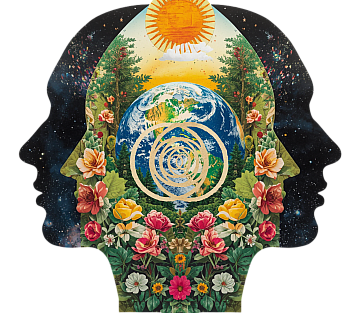
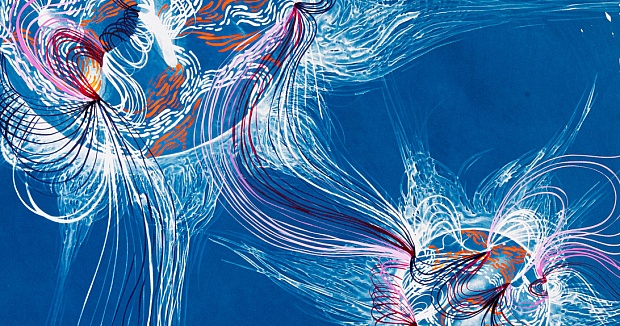
Buddhist scientist Neil Theise's *Notes on Complexity* arrives as a quiet revolution in how we understand ourselves - not as separate beings moving through the universe, but as the universe itself, briefly organized into the illusion of individuality. Drawing on complexity theory, quantum physics, and Eastern metaphysical traditions, Theise builds a case that what looks like separateness is, at every scale of matter, a kind of fiction: the molecules we breathe out become someone else, the atoms we are made of were never only ours. "While we feel ourselves to be thinking, living beings with independent lives inside the universe," he writes, "the complementary view is also true: we don't live in the universe; we embody it." What makes this more than philosophy is that it is also, as Theise carefully shows, a physical fact - one that carries particular weight coming from a man who survived the AIDS epidemic and was raised by survivors of the Holocaust, someone who has had every reason to feel the brutality of boundaries between self and world. The deepest intimacy, it turns out, was always already there, written into the structure of things - waiting not to be created, but recognized.