News Story
 Community
Reasons To Be Cheerful · 7 hours ago
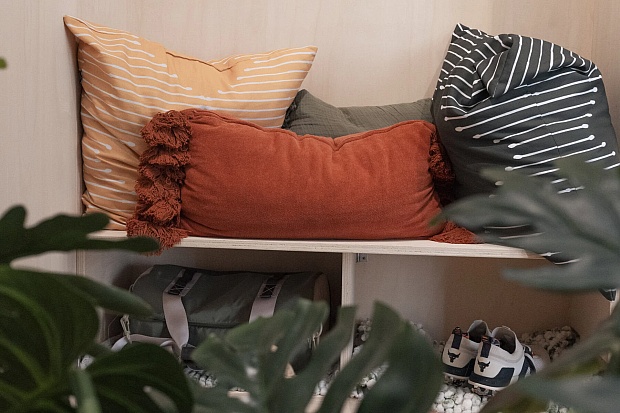
What It Means to Shape Your Own Space After Prison
When architect Deanna Van Buren first went looking for spaces designed around peacemaking and repair rather than courts and cages, she found almost nothing - so she set out to build them, with the people who needed them most. The Mobile Refuge Room, a modular transitional housing prototype designed by and with formerly incarcerated people, offers something that most reentry housing quietly denies: the ability to close your own door, control a light switch, choose where to sit. These may sound like small things until you hear Wayne Boatwright describe what prison takes from you - "all hard edges and echo," he says, "there is nothing soft; the noise is sharp" - and understand that a room without fluorescent glare or an assigned bunk is not a luxury but a form of repair. The project's deeper argument is that the built environment carries moral weight: that when someone steps out of incarceration into a space that mirrors its logic, the punishment hasn't really ended. Van Buren puts it plainly - "We don't need to keep punishing people" - and the room, still in prototype, stands as a quiet insistence that dignity can be designed in, if we are willing to ask the right people what they need.