News Story
 Arts
Arts
themarginalian.org · 10 hours ago
Carl Jung on Creativity – the Marginalian
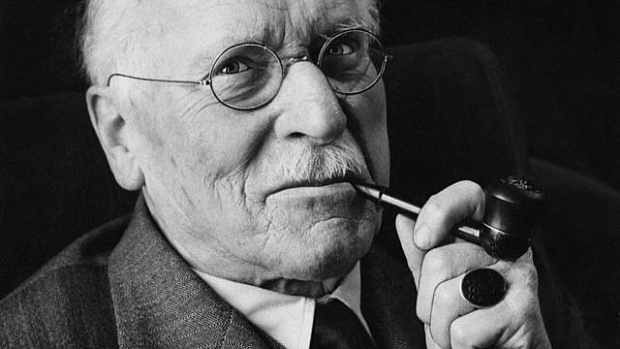
Maria Popova's exploration of Carl Jung's theory of creativity, drawn from his 1939 book *Modern Man in Search of a Soul*, returns to a question as old as making itself: where does the creative act truly come from? Jung believed that "the creative imagination is the only primordial phenomenon accessible to us, the real Ground of the psyche" - not a personal achievement but an impersonal force that seizes a human being and uses them as its instrument, drawing from the collective unconscious of all humanity rather than from the singular self. This framing quietly dissolves the myth of the lone genius while honoring something even more astonishing: that when a work of art moves us, it does so because it has reached past the individual and touched what we all carry but cannot name. Popova closes with a tender observation - that Jung himself once feared his voice was "completely drowned out in the chaos" of his time, not yet knowing he would become one of those rare visionaries whose words would outlast the noise by centuries. It is a reminder that the most enduring creative acts are often made in doubt, by people who kept going anyway.