News Story
 Elders
themarginalian.org · 7 hours ago
How to Keep Life From Becoming a Parody of Itself: Simone De Beauvoir on the Art of Growing Older –...
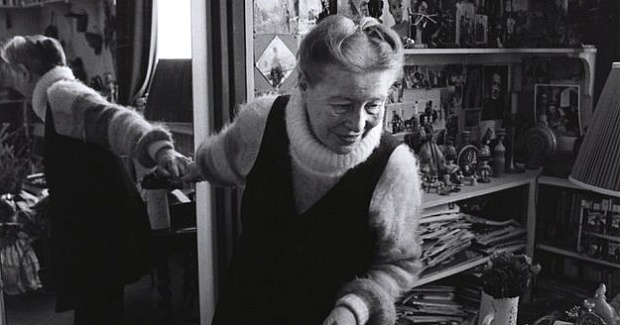
Maria Popova's exploration of Simone de Beauvoir's 1970 work *The Coming of Age* arrives as a quiet corrective to a culture that treats aging as a problem to be solved rather than a life to be lived. De Beauvoir's central argument is both unsentimental and demanding: "There is only one solution if old age is not to be an absurd parody of our former life, and that is to go on pursuing ends that give our existence a meaning - devotion to individuals, to groups or to causes, social, political, intellectual or creative work." What she is really describing is not a philosophy of aging but a philosophy of aliveness - the recognition that a life retains its shape and weight only so long as it reaches outward toward others. The piece gathers voices across centuries, from Grace Paley to Henry Miller, each pointing toward the same quiet truth: that growing older well is not an achievement but a practice, one that asks us to keep our passions, our indignations, and our compassions intact against the pull of withdrawal. In de Beauvoir's framing, "one's life has value so long as one attributes value to the life of others" - and that is not a consolation for the old, but a challenge for everyone still in the making.