News Story
 Environment
The Better India · 6 hours ago
Village to Wild: Inside the Step-by-Step Rescue of a Royal Bengal Tiger
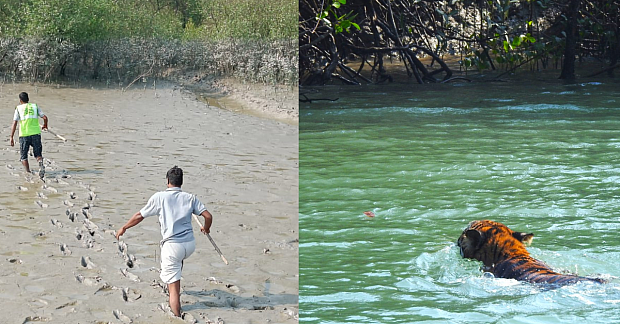
Along the narrow creeks of the Sundarbans, where tiger habitat and human settlement are separated by little more than a tidal river, something quietly remarkable has taken hold. When a Royal Bengal tiger strays into a village today, the first instinct of many residents is no longer fear-driven retaliation but a phone call - to the Forest Department, to the Primary Response Team, to neighbors trained to hold back the crowd and leave the animal a way home. Basudev Mondal, who as a boy grew up hearing "baghe khabe" - "the tiger will eat you" - as a warning against wandering too far, now patrols these same waters as a Baghbondhu, a Friend of the Tiger. The shift from that childhood fear to this chosen role is not incidental; it was built, slowly, through community training, trust, and the steady work of people who understood that lasting coexistence has to be rooted in the villages themselves. "The tiger lives on that side of the river," says fellow team member Pintu Mondal, watching the opposite bank from a patrol boat in the rain. "We live on this side. We have to coexist" - and in the Sundarbans, that is no longer just a philosophy but a practiced, imperfect, ongoing act.