News Story
 Environment
Waging Nonviolence · 7 hours ago
Indigenous Women Already Have the Climate Solutions | Waging Nonviolence
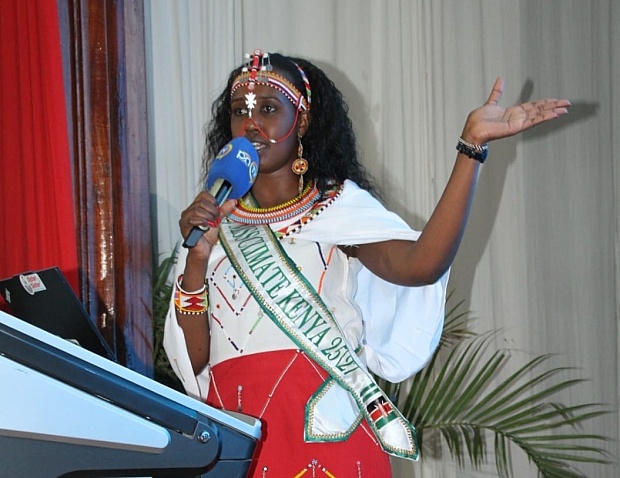
Three women - from Kenya, Ecuador, and Colombia - arrived at climate activism not through theory but through the texture of their own lives: rivers running dry, girls pulled from school, forests threatened by oil extraction. What unites Hillary Semeyan Lenantoiye, Karen Bailón, and Daniela Alba is not just what they've witnessed, but what they refuse to accept as inevitable - namely, that the people closest to the crisis should remain furthest from its solutions. "Indigenous communities already have the solutions," Lenantoiye writes. "They just need to be trusted, empowered and included." At international conferences, all three have encountered the same pattern: marginalized voices summoned for visibility, then sidelined when decisions are made - a tokenism Alba describes as "out of hand." Their work, whether through community savings groups in Samburu County, youth-led climate funding in the Global South, or faith-based advocacy in Rome, points toward the same quiet insistence: that transformation doesn't trickle down from institutions, but rises from people who have learned, by necessity, how to listen to the land.