News Story
 Environment
Upworthy · 16 hours ago
He Let the Weed Everyone Was Fighting Take over. It Grew Into a forest, Then Died Out on Its own.
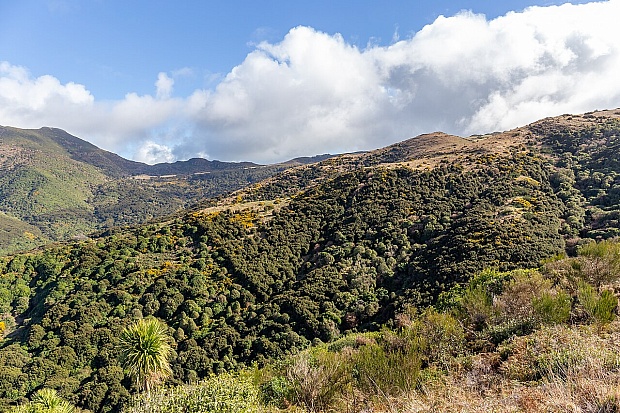
When botanist Hugh Wilson looked at 109 hectares of exhausted, gorse-smothered hillside in New Zealand in 1987 and proposed doing essentially nothing, his neighbors called it "fools and dreamers stuff" - a phrase that turned out to be more accurate than they intended. His insight was that gorse, the invasive shrub generations of farmers had burned and bulldozed without success, was not the enemy but a nurse crop: its thorns sheltered native seedlings, its canopy held moisture, and when those seedlings grew tall enough to overtop it, the gorse was shaded out and died, having quietly done its work. "The key was to leave it well alone, take away the things that stopped the regeneration process and let nature do the hard work," Wilson told RNZ - a principle that turned out to be as much about human restraint as ecological science. Hinewai Reserve is now 1,500 hectares, New Zealand's largest private reserve, with 47 permanently flowing waterfalls and native birds spreading back into neighboring farms that hadn't seen them in living memory. Wilson is in his eighties, still cycling to work, still hand-illustrating the quarterly newsletter, still holding the land open to the public for free - a quiet demonstration that some of the most consequential acts of care look, from the outside, like letting go.