News Story
 Community
Upworthy · 9 hours ago
A 123-year-old Japanese Sweets Shop in Los Angeles Finally Gets the Spotlight It Deserves
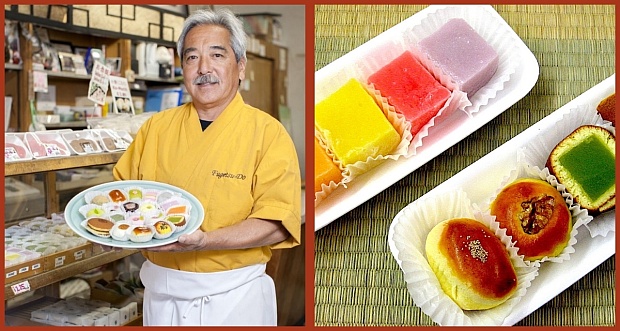
Fugetsu-Do, a Japanese sweets shop tucked into Los Angeles' Little Tokyo, has been making mochi and manju since 1903 - but its 123-year run is less a story of business longevity than of a family's refusal to let history have the final word. When Executive Order 9066 forced the Kito family into incarceration at Heart Mountain, Wyoming, patriarch Seiichi still bent over a small stove to make manju for fellow detainees, who quietly offered him their sugar rations so he could keep going. His son Roy rebuilt from almost nothing after the war - sleeping in a temple, waiting tables for 20 cents an hour - before reopening the shop in 1946, an act his own son Brian would later distill into six words: "We had to live the American Dream twice." What has kept Fugetsu-Do alive across four generations isn't stubbornness alone, but something more communal - as Brian puts it, "The community feels it's theirs." Now a fourth generation is learning the craft, hands slowly memorizing what takes a decade to know, carrying forward a recipe that has outlasted a world war, riots, a pandemic, and every quieter pressure in between.