News Story
 Inspiration
themarginalian.org · 6 hours ago
Darwin’s Greatest Regret and His Deathbed Reflection on What Makes Life Worth Living – the Marginalian
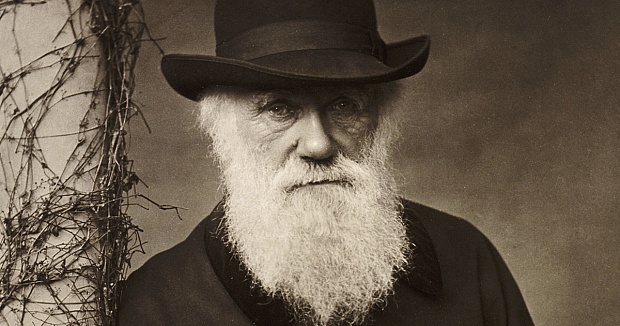
Charles Darwin - the man who rewired humanity's understanding of life itself - spent his final years mourning something he had let quietly slip away: his capacity to be moved by beauty. In autobiographical notes written for his children, he reflected with striking candor that his mind had become "a kind of machine for grinding general laws out of large collections of facts," and that the poetry, music, and splendor of nature that once sent shivers down his spine had grown, through decades of neglect, permanently dim. His regret was not professional but deeply personal - he wished he had made a rule to read poetry and listen to music at least once a week, believing the atrophy of those sensibilities was "a loss of happiness, and may possibly be injurious to the intellect, and more probably to the moral character, by enfeebling the emotional part of our nature." What Maria Popova surfaces in this reflection is something both sobering and clarifying: that the capacity for aesthetic wonder is not a luxury ornament on a well-lived life, but one of its structural beams. Darwin's greatest regret turns out to be a quiet instruction - that staying human requires tending, deliberately and often, to the parts of us that feel.