News Story
 Elders
Greater Good · 6 hours ago
How Intergenerational Relationships Benefit Health…
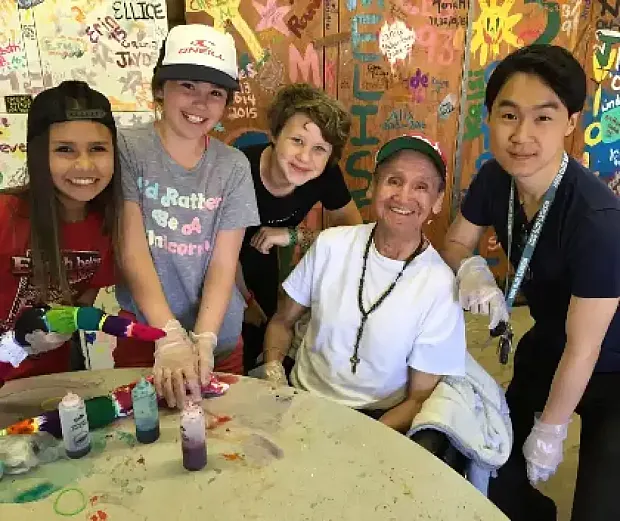
When sixth graders in Saskatoon began spending their school days alongside elderly residents at a long-term care facility - journaling, gardening, writing limericks, simply being present - something shifted in both directions across the generational divide. Research on the iGen program found that on days when meaningful interactions occurred, students and elders alike felt more connected, healthier, and more inclined toward kindness - and those effects grew stronger as the year deepened and relationships took root. One resident named Jodi, who had sometimes wished her life would end, put it plainly: "It took those sixth-grade kids to bring life back into focus for me. iGen saved me." A student named Mya described learning "stories, games, and how to become a better person" - the kind of education no curriculum can fully plan for. What the program quietly demonstrates is that meaning is less a thing people find alone than something that emerges in the space between people who would not, under ordinary circumstances, have sought each other out.