News Story
 Inspiration
Upworthy · 18 hours ago
A Rich Maharaja Took in 1,000 Polish Kids During WWII, Recreating Their Home on Indian Soil
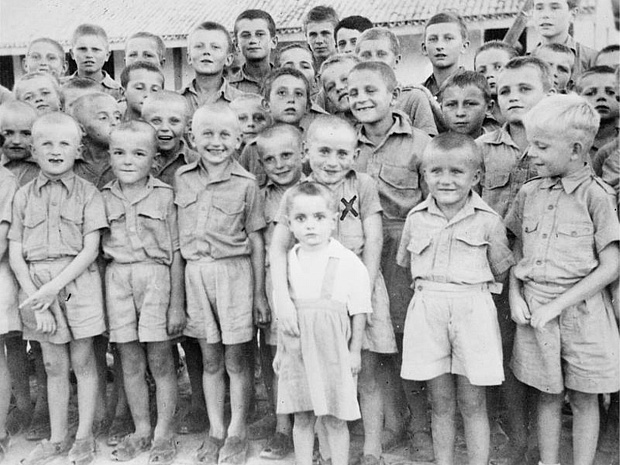
During World War II, more than a thousand Polish children - many who had already survived Soviet labor camps and years of displacement - found an unexpected home in the princely state of Nawanagar, India, where Maharaja Digvijaysinhji Ranjitsinhji Jadeja built them not just shelter, but a life. He constructed classrooms, a Catholic church, and playing fields, and insisted that the Polish flag be raised each morning and the national anthem sung - a deliberate act of honoring who the children were, not just tending to what they needed. He called himself their father, telling each new group of arrivals, "Do not consider yourself orphans any more. You are now Nawanagaris." One boy, Wieslaw Stypula, who arrived at eleven years old, later reflected: "In this very grim scenario, I was adopted by people of a country I did not even know. It was here that I found happiness." What the maharaja understood - decades before international aid organizations would codify it - is that a child's recovery from trauma requires more than survival; it requires the restoration of ordinary life, and the assurance that someone sees them as worth protecting whole.