News Story
 Inspiration
themarginalian.org · 6 hours ago
Polyvagal Theory and the Neurobiology of Connection: the Science of Rupture, Repair, and Reciprocity – the Marginalian
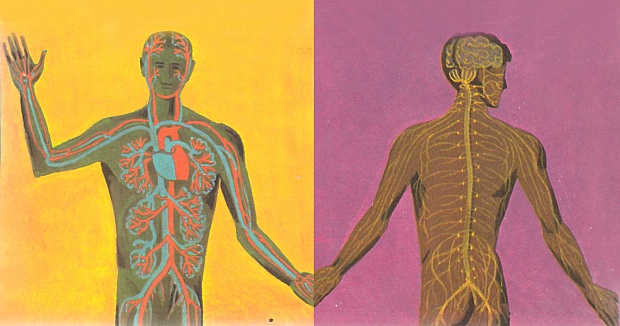
Beneath every longing for love and every flinching away from it, the body is keeping its own account. Maria Popova's exploration of polyvagal theory - the neuroscience of how our earliest experiences of safety and rupture wire our capacity for connection - reveals that what we often call emotional patterns are, at their root, physiological ones, conditioned responses carved deep by the nervous system long before the mind finds words for them. Clinical psychologist Deb Dana, whose work translates this science into the territory of healing, observes that "although they stopped explicitly looking and found ways to navigate on their own, their autonomic nervous system never stopped needing, and longing for, co-regulation" - a quiet, devastating truth about what trauma does to our hunger for one another. The grounds for hope lie in the body's own plasticity: safe, reciprocal relationships can gradually retrain those pathways, coaxing the nervous system out of its posture of protection and back toward the openness that makes love possible. What this science ultimately illuminates is something older than neuroscience itself - that we are not broken for needing each other, but built for it.