News Story
 Everyday Heroes
The Better India · 1 day ago
In One of Mp's Most Remote Districts, an Ias Officer's Simple System Helped Cut Maternal Deaths by 50%
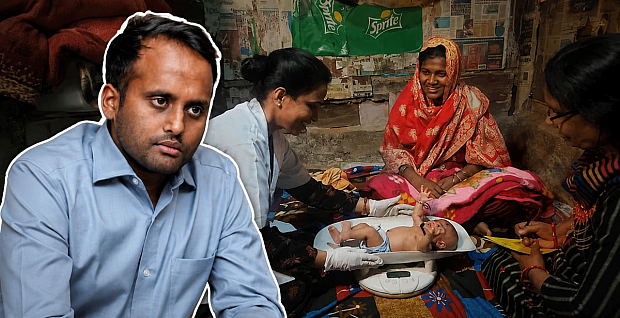
In Shahdol, a remote tribal district of Madhya Pradesh where monsoon rains can swallow roads for days, pregnant women were dying not for lack of government programs but for lack of anyone reliably checking in. When IAS officer Shivam Prajapati spent two months listening to villagers, he found the answer in their own words: "If we know, we will take the medicines." So his team built something unglamorous and exact - fortnightly updated lists, home visits, phone calls, and ambulances arranged before the rains arrived - and within six months, maternal deaths fell by half. Prajapati was deliberate about keeping it simple: "We have not used AI because we wanted to keep the system simple. Our lowest-level staff should be able to understand and implement it easily." What Shahdol quietly demonstrates is that the distance between a preventable death and a life saved is often not a question of resources or technology, but of whether someone, reliably, shows up.