News Story
 Arts
Arts
themarginalian.org · 5 hours ago
Hannah Arendt on Love and How to Live with the Fundamental Fear of Loss – the Marginalian
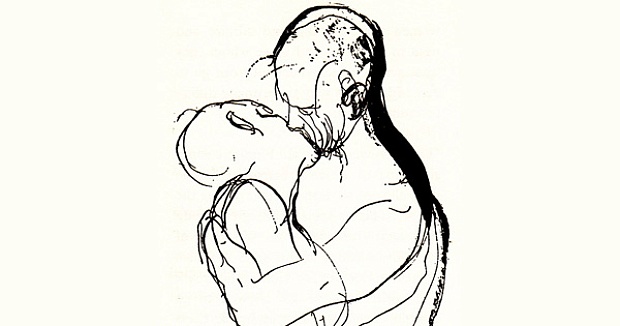
Hannah Arendt spent fifty years returning to a doctoral thesis she wrote at twenty-two - obsessively revising, annotating, pressing harder on the same wound - and what she found there was that love and fear are not opposites but twins, each giving birth to the other. Drawing on Augustine's insight that "such is each as is his love," Maria Popova traces how Arendt understood possession to be love's quiet undoing: the moment we secure what we crave, desire transforms into dread of its loss, and "the future destroys the present." What emerges is not a counsel of detachment but something harder and more honest - that to love fully is to accept transience without letting it hollow out the present moment, to inhabit what Popova calls "the transcendent transience that binds two people for the time it binds them." Arendt saw in Augustine's amor mundi, love of the world, the only real antidote to tyranny, which she understood as the project of making other human beings irrelevant - and so the personal and the political turn out to share the same root, and the same cure.