News Story
 Environment
The Better India · 20 hours ago
Meet the Gajmitras: How Farmers Protect People & Elephants in Uttar Pradesh's Elephant Corridor
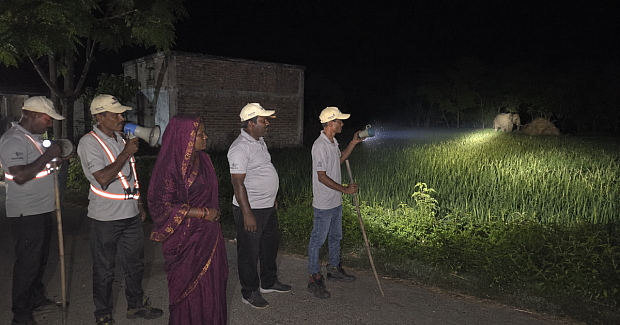
After finishing a day of farming, feeding cattle, and settling their families, more than 150 volunteers in Uttar Pradesh's Katarniaghat forests pull on reflective jackets and head into the darkness - not to drive elephants away, but to ensure that both the animals and their neighbors make it safely through the night. The Gajmitras, as they are known, have built one of India's most quietly effective models of human-wildlife coexistence, reducing crop damage by nearly 70 percent through patience, coordination, and an intimate understanding of the landscape they share. "Money can compensate for a damaged field," says volunteer Ashok Kumar, "but it cannot remove fear or uncertainty." For volunteer Vineeta Devi, the work begins even earlier - going house to house during an elephant's approach, keeping crowds from forming, knowing that a calm elephant can become stressed in an instant. Their measure of success is a morning with nothing to report: torches switched off, jackets tucked away, and another night passed without fear, injury, or loss.