News Story
 Youth
Youth
The Optimist Daily · 1 day ago
Children Learn to Be Alone Through love, Not Distance | the Optimist Daily
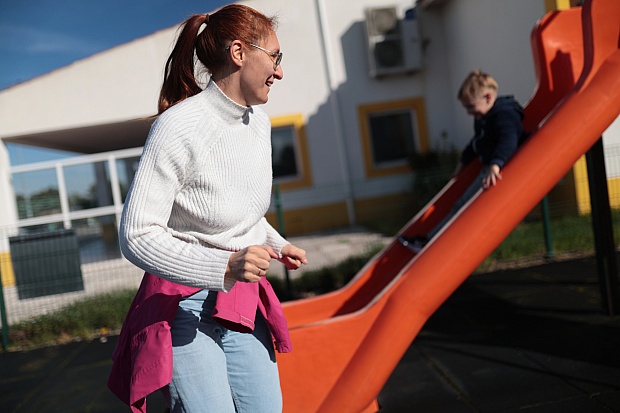
The child absorbed in private play at the kitchen table while a parent reads nearby is not doing something simple - they are building one of the most complex capacities a person can develop. Drawing on the work of British psychoanalyst Donald Winnicott, this piece explores his counterintuitive 1958 insight that "the capacity to be alone" is not learned through isolation but through the repeated experience of being alone in the presence of someone trustworthy. That background of safety eventually moves inward, so the child no longer needs to keep checking whether the relationship is still there. What follows, in adulthood, is quieter but significant: when people can sit with themselves, relationships are freed from the exhausting work of constantly proving they are real - a slow reply doesn't become rejection, another person's need for space doesn't feel like abandonment. These are small distances, the article suggests, that make genuine closeness possible.