News Story
 Everyday Heroes
Guardian · 4 hours ago
‘Drops Take Seconds but Change a Life for ever’: the Women Saving India’s Remotest People From Polio | Global Development...
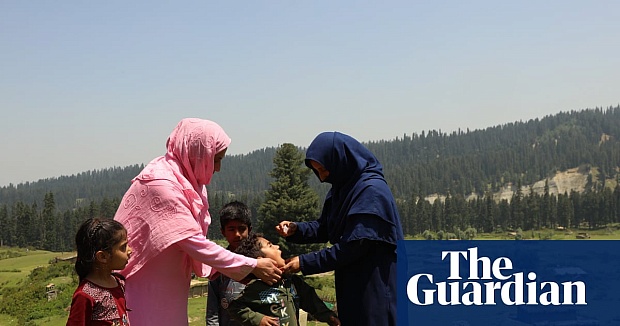
Before sunrise, Shameema checks the ice packs in her insulated box and steps out into the dark - the beginning of a 12-mile climb through Kashmir's mountain pine forests to reach nomadic families that roads and electricity lines never touch. She and her colleague Tanzeela are two among 2.5 million frontline health workers behind India's vast polio immunization campaign, earning roughly £1 a day to walk terrain that horses navigate more easily than people. What drives Shameema is not the wage but a memory: a boy from her village whose mother carried him to school on her back until he grew too heavy, a child marked for life by a disease these drops can prevent. "The drops take seconds, but they change a life for ever," says Tanzeela, climbing in farm shoes with worn-thin soles, thinking of her own nephews with each steep step. India has been certified polio-free since 2014, and this story quietly reveals the human cost of that triumph - not in policy or statistics, but in two women descending a mountain path in the dark, their boxes a little lighter, another day's worth of names recorded in a paper register.