News Story
 Everyday Heroes
The Better India · 2 hours ago
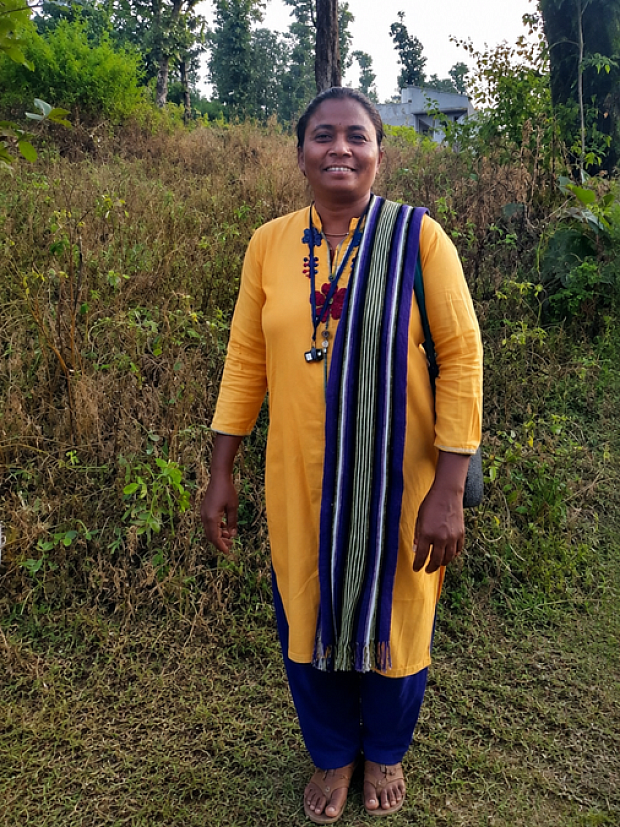
How Neeta Patel Helped Gujarat Villages Build Dams, Save Water & Revive Farming
For over twelve years, Neeta Patel has walked the long road between scarcity and sufficiency - first as a child covering 22 kilometers daily to reach school, then as a development organizer helping Adivasi communities in Gujarat's most water-stressed districts build the infrastructure and institutions that sustain life. She credits local communities and tribal women for every success, a posture that turns out to be more than humility - it is the method itself, visible in the 2,900-member women-run Pani Samitis she helped form, whose members now manage their own drinking water systems. What her story quietly insists is that the most durable solutions to vast, structural problems are often built by people who have personally known what it costs to go without. Close to 22,000 families across 230 villages now live with water security that did not exist before someone who once earned Rs 12 a day decided that was not how the story had to end.