News Story
 Inspiration
themarginalian.org · 6 hours ago
The Gentle Giant: Oliver Sacks and the Art of Choosing Empathy Over Vengeance – the Marginalian
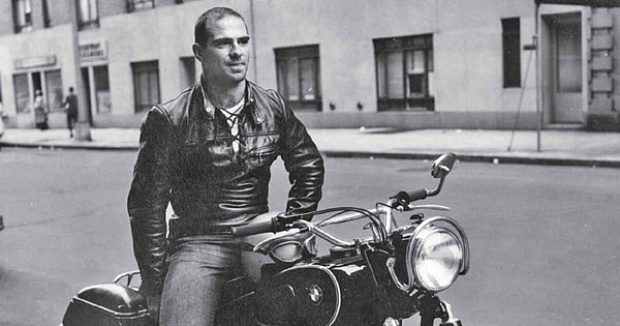
In the spring of 1963, a young Oliver Sacks - 260 pounds of motorcyclist, rage fully ignited - chased a reckless driver into a dead-end street, leapt from his bike wielding a monopod, and bore down on the trapped car ready to deliver consequences. What stopped him was not reason or restraint in any conventional sense, but sight: "when I saw their youth, their helplessness, their fear, my fist opened and the monopod fell out of my hand." Maria Popova surfaces this anecdote from Sacks's memoir *On the Move* as an early allegory of the empathetic genius that would define his life's work - the capacity, even in a moment of legitimate fury, to peer through another's eyes and find not an enemy but a frightened human being. What the story quietly reveals is that empathy is not a gentle, untested virtue; it is something that can emerge, unbidden, at the precise moment when vengeance would be easiest and most justified. Sacks simply let the monopod fall, walked back to his bike, and motioned them on - and in that wordless gesture lives something worth understanding about what we are capable of becoming.