News Story
 Environment
The Better India · 7 hours ago
For 27 Years, These Ecologists Guarded a Nilgiris Forest by Removing What Was Killing It
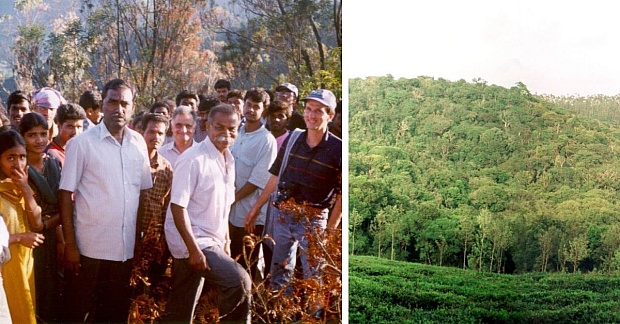
For 27 years, a retired mathematics professor, a Padma Shri scholar, a headmaster, and a music teacher walked the edges of Longwood Shola - one of the Nilgiris' last surviving native forests - pulling invasive weeds, intercepting woodcutters, and writing letters that most officials ignored. Their philosophy was quietly radical: "Our approach has always been to leave nature alone after clearing the exotics. Once invasive species are removed, nature takes care of the rest." What they understood, and spent decades proving, is that restoration is less an act of construction than of removal - of clearing the way for what belongs. The forest they tended is now a perennial water source for up to 50,000 people and a sanctuary for creatures from flying squirrels to the rare mouse deer, its recovery a testament to what small groups of ordinary people can hold together when institutions look away. There is something clarifying in their story: that protecting the living world sometimes asks not for grand gestures, but for the willingness to show up, season after season, and do the unglamorous work of making space for life to return.