News Story
 Business
Reasons To Be Cheerful · 12 hours ago
The Spanish Town Doing Capitalism Better
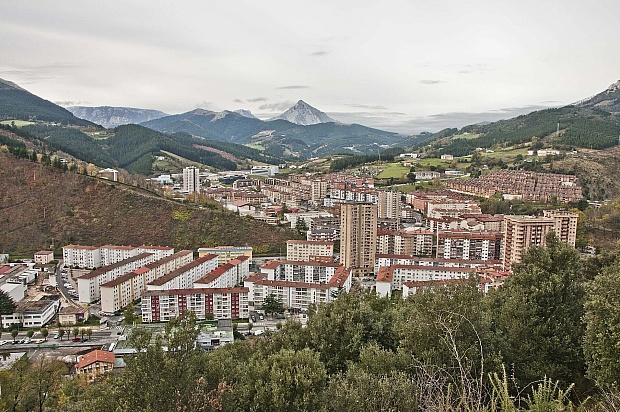
In the Basque town of Mondragón, Spain, a 70-year-old federation of worker-owned cooperatives is quietly dismantling the assumption that prosperity must flow upward. The Mondragón Corporation - €11.3 billion in revenue, 70,000 workers, 92 cooperatives - caps the pay ratio between its highest and lowest earners at six to one, shares profits with its workforce, and invests 10 percent of annual earnings directly into the surrounding community. "Workers, we make decisions," says Iker Aranburu, wrench in hand, describing the day the cooperative's workers voted down an international expansion they didn't believe in, forcing the governing council to resign. The model is neither utopia nor untested theory - it has weathered a pandemic, a high-profile bankruptcy, and the pressures of global competition, while the region it anchors now ranks among the lowest in inequality in the world. What Mondragón ultimately demonstrates is less a blueprint than a proof of concept: that an economy organized around human dignity rather than concentrated wealth is not only possible, but profitable.