News Story
 Environment
The Better India · 6 hours ago
Sacred Groves in India: How Communities Protect Forests, Biodiversity and Culture
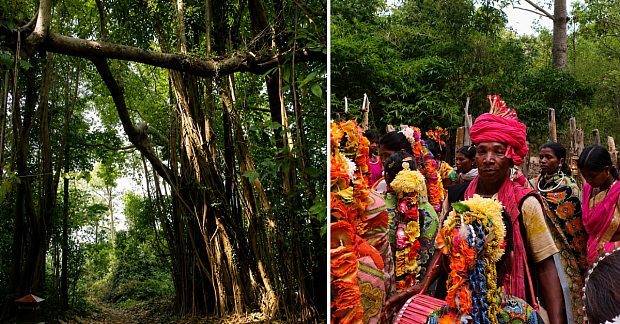
Across India, thousands of forest patches have been quietly protected for centuries - not by governments or conservation agencies, but by communities who understood, through belief and custom, that some land is not theirs to destroy. Known as Devarakadu in Karnataka, Kavu in Kerala, Oran in Rajasthan, Sarna in Jharkhand, and by dozens of other names across the subcontinent, these sacred groves carried rules that "travelled through stories, rituals, festivals and warnings passed from one generation to the next." What scientists now measure as biodiversity refuges and carbon stores, communities once simply called sacred - a word that did the same protective work without any formal framework. The underlying principle, remarkably consistent across landscapes and faiths, was that certain parts of nature are worth protecting not for their utility, but because they sustain life and belong to no one. A 2024 Supreme Court ruling directing the mapping and forest-classification of these groves marked a rare moment when the law caught up with what communities had quietly known all along.