News Story
 Environment
mongabay.com · 3 hours ago
Zero Roadkill as Amazon Canopy Bridges Secure 15,000 Crossings
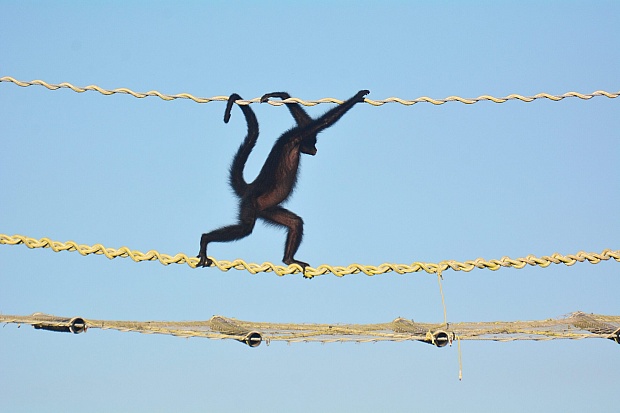
When biologist Fernanda Abra arrived to install the first canopy bridges near Alta Floresta, Brazil, she found two marmosets dead on the road beneath her feet - a quiet devastation that had become ordinary. What followed reframes what ordinary can mean: over the next 15 months, eight rope bridges enabled more than 15,000 safe crossings by arboreal animals, with zero roadkill recorded. "From our human perspective, roads mean connection and development," Abra said. "But for wildlife, they represent disconnection, barriers and a threat to survival." Her work - low-cost, collaborative, and patient enough to wait seven months for a single capuchin to trust a new path - is a reminder that solving what we have broken often requires the same quiet persistence as the damage itself.