News Story
 Arts
Arts
themarginalian.org · 1 day ago
Leonard Cohen on the Antidote to Anger and the Meaning of Resistance – the Marginalian
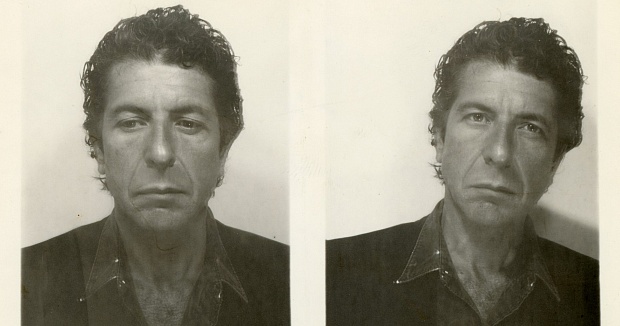
Drawing on poems and prose meditations composed during his years in a Zen monastery, Leonard Cohen offers something rarer than political commentary: a diagnosis of the soul under pressure. Maria Popova's essay surfaces his warning that in times of helplessness, the human longing for certainty becomes its own danger - "the public yearning for Order will invite many stubborn uncompromising persons to impose it" - and that surrendering to false authority carries a cost we feel long before we name it. Against that surrender, Cohen places not protest or ideology but something quieter and more demanding: love as an act of courage, and forgiveness as the signal frequency of genuine resistance. His poem "SOS 1995" closes with an instruction that sounds almost too simple until it lands - "let them off the hook, help them off the hook" - as if the most subversive thing a person can do in a clamped-down world is refuse to let bitterness finish the work that oppression started. What Cohen understood, and what Popova's essay returns to us now, is that the inner country and the outer one are never as separate as we hope.