News Story
 Community
Guardian · 18 hours ago
Moringa Lattes and Tigernut kebabs: the Ghanaians ‘Taking Back the Power’ of Their Food | Food Security | the Guardian
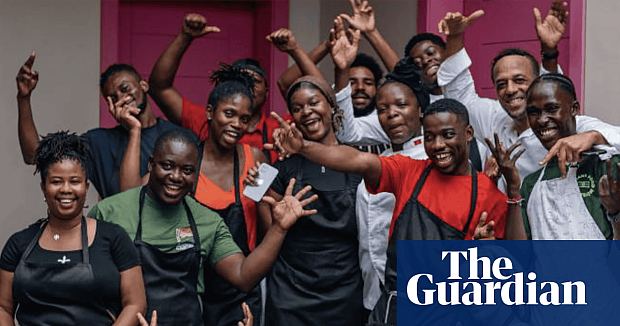
When Abiro Wisdom finished catering school in Accra, he had learned to cook French, Italian, and Mexican cuisine - but nothing from northern Ghana, where he grew up. Rather than accept that erasure as the price of a career, he joined the Ghana Food Movement, a growing collective of chefs, farmers, and food advocates working to restore what colonial food systems long worked to diminish. Their approach is quietly radical in its simplicity: host dinners, test recipes, and let people taste what tigernut kebabs and moringa lattes can be, because as co-managing director Aimee Wallin puts it, "We want people to taste what we are about, not just talk about what we are about." Wallin is direct about the stakes - "The one who feeds us will control us... so if we want to control ourselves, we also need to feed ourselves" - framing the movement not as nostalgia, but as sovereignty. At its core, this is a story about what it means to insist that your own inheritance has value, and to build a future from that insistence before the knowledge held by grandmothers and farmers slips away entirely.