News Story
 Arts
Arts
themarginalian.org · 1 day ago
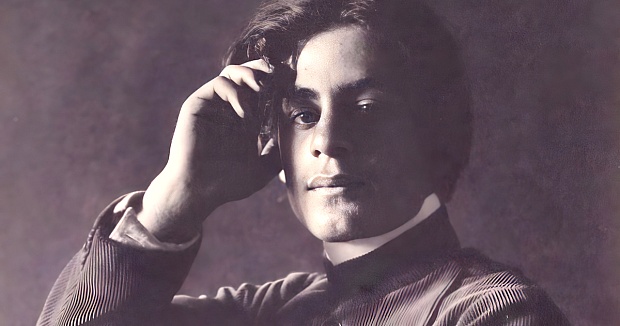
Kahlil Gibran on the Art of Becoming Yourself Across the Sweep of Life – the Marginalian
In a long poem written in his early forties, Kahlil Gibran traces the quiet alchemy by which suffering becomes wisdom - not by leaving the past behind, but by discovering that it was always necessary. Maria Popova's meditation on "Youth and Age" reveals how Gibran came to see his youthful sadness not as a wound but as a foundation: "Today, all is radiant and near, and for this I would live my youth and the pain of my youth, again and yet again." What emerges is less a philosophy of aging than a portrait of what it means to grow more fully into life - the restlessness of youth not discarded but transformed, like flower into fruit. Gibran's insight carries a gentle challenge: that the selves we have struggled to outrun may be precisely the ones that made us capable of wonder.