News Story
 Community
The Optimist Daily · 18 hours ago
Baltimore Reimagines What 911 Can do, with $400 Million to Back It up | the Optimist Daily
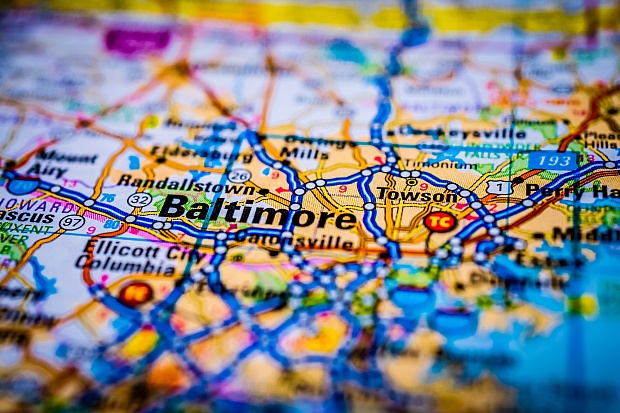
When a woman in crisis called 911 from a McDonald's parking lot - children at home, fiancé jailed, no food, no help - the system had already failed her once by sending her to a holding cell instead of a hospital. This time, mental health clinician Michala Williams arrived instead, and spent an hour untangling what the woman actually needed. "I now have to take all of that and decide, 'OK, here's steps 1, 2, and 3,'" Williams said, "because we got to find a little bit of sliver of something to give her some hope that there's help out here." Baltimore is now expanding that approach citywide, using $400 million in opioid settlement funds to route tens of thousands of non-emergency 911 calls away from police and toward clinicians, peer counselors, and case managers - people equipped to actually resolve what they find. A similar program in Durham needed police backup for just 0.02 percent of more than 12,000 diverted calls, suggesting that what looks like a radical reimagining of public safety is, in practice, mostly a matter of sending the right person.