News Story
 Inspiration
themarginalian.org · 2 hours ago
The Four Desires Driving All Human Behavior: Bertrand Russell’s Magnificent Nobel Prize Acceptance Speech – the Marginalian
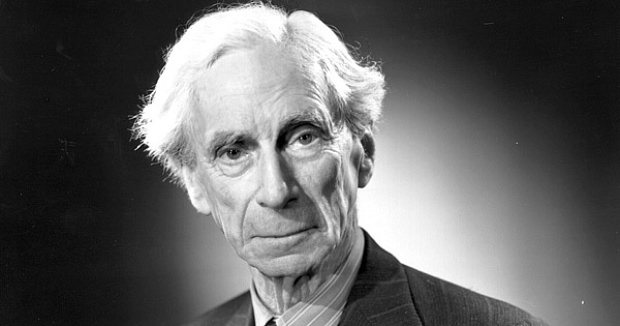
At 78, Bertrand Russell stood before the Nobel committee and offered something rarer than a victory speech - a clear-eyed map of what moves human beings, for better and worse. His 1950 acceptance address identifies four infinite desires at the root of all human behavior: acquisitiveness, rivalry, vanity, and love of power, each one insatiable by design, each one capable of driving people toward creation or catastrophe depending on the conditions that shape them. What keeps the analysis from despair is Russell's refusal to condemn these drives outright - he traces the love of power, for instance, directly into the hunger for knowledge, noting that "nothing in the world is more exciting than a moment of sudden discovery or invention, and many more people are capable of experiencing such moments than is sometimes thought." The speech is a portrait of humanity that neither flatters nor dismisses, and that is precisely where its moral weight lies. Russell's gift was to look at human nature without flinching and still find, within its restlessness, the seeds of something worth cultivating.