News Story
 Environment
Reasons To Be Cheerful · 21 hours ago
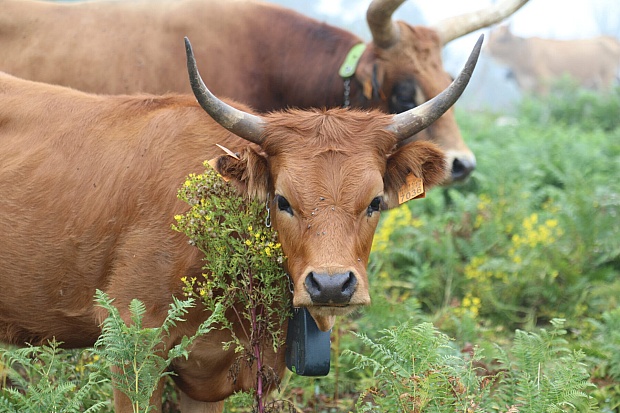
The Goat-Cow Is Spain’s Wildfire-Fighting Secret Weapon
After a wildfire destroyed 80 percent of their forest in 2017, the residents of Vincios, Spain didn't wait for outside rescue - they looked to their own land and its history for an answer. What they found was the Cachena, a small, sure-footed native cattle breed that had quietly shaped Galicia's landscape for centuries before vanishing alongside the rural way of life that sustained it. By reintroducing the Cachena alongside goats, sheep, and horses to graze the flammable undergrowth, the community's 140-member land collective is practicing what scientists call silvopastoralism - an approach with mounting evidence behind it, including studies showing grazing can reduce burn probability by up to 45 percent. "It's not only about the Cachena, you need a mix of animals because they eat different things," says coordinator José Taboada, reflecting a wisdom that is both ancient and quietly radical: that the best protection a community can build may look less like intervention and more like restoration. In Vincios, the act of bringing something back from the edge of extinction has become, in the most literal sense, an act of survival.