News Story
 Inspiration
The Better India · 21 hours ago
‘My Mangoes Would Go to Waste’: Jharkhand Woman Farmer’s Income Triples as Her Fruit Reaches England
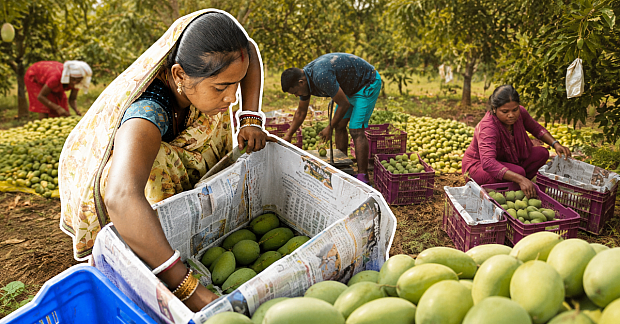
For years, Jiwanti Bara watched mangoes rot beneath the trees outside her home in Jharkhand - not for lack of care, but for lack of access, the difference between months of labor and a fair price resting entirely on whichever local trader happened to arrive. Through women-led farmer producer organizations and a network of government partners and technical trainers, that fruit now reaches England, Italy and the UAE, and Jiwanti's income has tripled in a single harvest. "Earlier, we never imagined that fruit grown by farmers like us could go outside India," she says - a sentence that carries the full weight of what changes when people are given not charity, but tools, knowledge and a seat at the table. The deeper story here is about what women already knew how to do - grow, tend, sustain - meeting what they were long denied: information, bargaining power and the right to decide what their labor is worth. A mango that once softened in the heat waiting for one buyer can now travel thousands of miles, and with it, something quietly irreversible has shifted in the lives of nearly 47,000 women farmers across Jharkhand.