News Story
 Arts
Arts
themarginalian.org · 22 hours ago
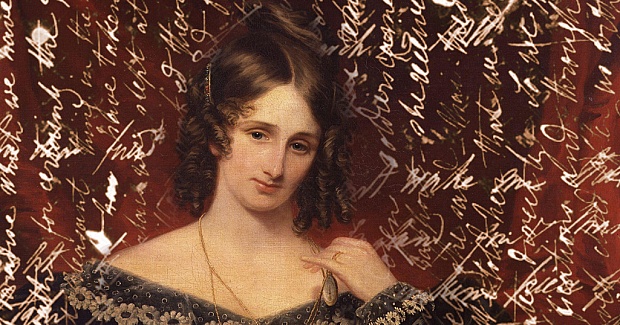
Frankenstein Author Mary Shelley on the Surest Remedy for a Sunken Spirit and What Makes Life Worth Living – the...
After losing three children and her husband Percy Bysshe Shelley to early death, Mary Shelley did not retreat into silence - she wrote her way back to life, and in doing so left behind one of literature's quietest and most enduring answers to its hardest question. In *The Last Man*, a novel set during a world-ending pandemic, her autobiographical protagonist finds that the elaborate machinery of social existence - ambition, festivity, hope, disappointment - is not truly living at all, and that what remains when it is stripped away is something both simpler and more sustaining. Shelley's protagonist turns to nature not as escape but as truth, watching spring arrive "untrammeled by human suffering and a supreme salve for it," and from that open presence with the non-human world draws his conclusion: "There is but one solution to the intricate riddle of life; to improve ourselves, and contribute to the happiness of others." What moves most here is not the aphorism itself but its origins - wrung from a woman acquainted with almost unbearable loss, who somehow converted that weight into clarity rather than bitterness. It is a reminder that the deepest insights into what makes life worth living tend to come not from those who have been spared suffering, but from those who have looked directly at it and chosen, still, to stay.