News Story
 Environment
Guardian · 10 hours ago
How a South African Town Cleaned up Its Polluted River Using stones, Wood and Sand | Global Development | the...
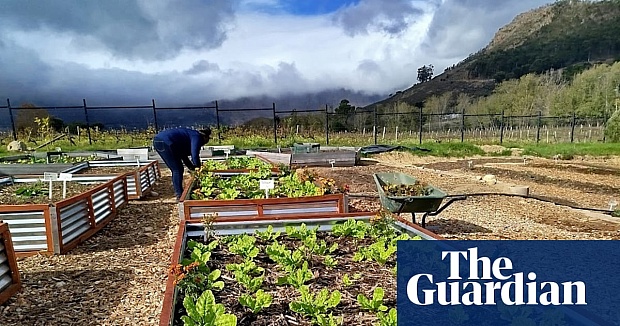
In a fast-expanding informal settlement outside Stellenbosch, South Africa, researchers have found a way to make a polluted, sewage-filled river feed hungry people - using little more than stones, charred wood, and sand. The Water Hub project filters 36,000 liters of contaminated water every day without chemicals, producing water so clean that, as researcher Kevin Winter puts it, "you'd be very hard pressed to know the difference between it and your municipal treated water." What began as a response to a community left behind by rapid, unplanned growth has become something larger: a working model for how societies might sustain food security as climate change makes water increasingly scarce. There is something quietly instructive in the simplicity of it - that the same natural materials humans have always lived alongside, arranged with care and intention, can transform a toxic burden into nourishment for children and families. The project suggests that ingenuity, at its most enduring, is less about conquering nature than learning, again, to work with it.