News Story
 Inspiration
themarginalian.org · 6 hours ago
Wendell Berry on Hope, Despair, and the Measure of Effective Protest – the Marginalian
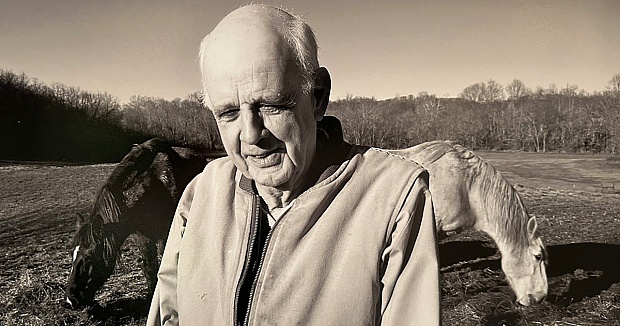
Wendell Berry, drawing from his essay collection *What Are People For?*, offers a quiet corrective to how protest is commonly understood - not as outcry or demand for visible victory, but as something more interior and enduring. He argues that protest which lasts is "moved by a hope far more modest than that of public success: namely, the hope of preserving qualities in one's own heart and spirit that would be destroyed by acquiescence." In this framing, resistance becomes less about changing the world overnight and more about refusing to be hollowed out by despair - a discipline that asks of us exactly what making art asks: to remain whole. Berry also sees hope and despair not as opposites but as necessary mirrors, writing that "the voice of our despair defines our hope exactly," which reframes suffering not as defeat but as the very measure of what we care about. There is something quietly radical in that - the idea that continuing to care, without guarantee of reward, may be the most honest form of courage available to us.