News Story
 Community
theconversation.com · 14 hours ago
Dog Parks Are an Antidote to the Isolation and Divisions That Social Media Can Fuel
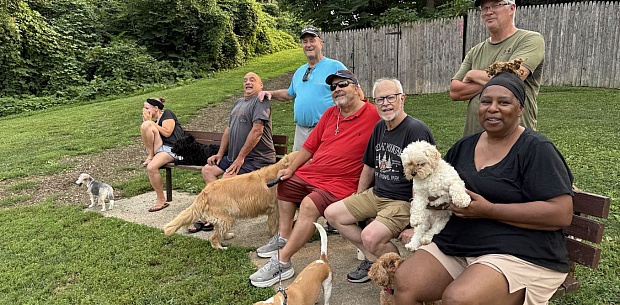
A pediatrician and researcher at the University of Pennsylvania found an unlikely diagnosis for modern loneliness while standing in a dog park with a leash tangled around his ankles. What he observed - neighbors arguing about Fauci, teasing a friend about his weight, dogs greeting dogs - pointed toward something social media cannot replicate: the slow, unscripted accumulation of knowing another person. Sociologist Ray Oldenburg called places like this "third places," defining them as spaces that "host the regular, voluntary, informal, and happily anticipated gatherings of individuals beyond the realms of home and work," and research confirms what most people sense intuitively - that repeated, low-stakes contact with people who differ from us reduces anxiety and builds empathy more reliably than any exchange of opposing views ever could. The man whose politics the author disagrees with has become someone he knows first by his dog's bad hip, his humor, and his hard year - his opinions ranking somewhere around eighth. What the dog park quietly demonstrates is that community was never really built on agreement; it was built on showing up in the same place, over and over, for reasons that have nothing to do with anyone's beliefs.