News Story
 Arts
Arts
themarginalian.org · 6 hours ago
Wendell Berry on Solitude and the Two Great Enemies of Creative Work – the Marginalian
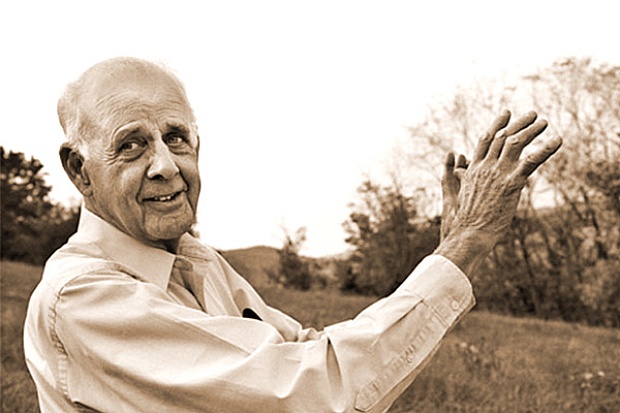
Wendell Berry, farmer and poet, offers a diagnosis of creative failure that cuts deeper than craft: the problem is not lack of talent but the twin poisons of pride and despair, each a form of loneliness that severs the artist from the very people art exists to reach. Through Maria Popova's close reading of Berry's essay collection *What Are People For?*, his argument unfolds with quiet force - that novelty-chasing is vanity, and despair is "the awkwardest pride of all," both betrayals of what good work is actually for. Where Berry's thinking opens into something larger is in his vision of what redeems the artist: not originality, but belonging - the willingness to clasp hands across time with those who came before and those not yet born. True solitude, he suggests, is not isolation but a kind of recalibration, a return to nature that makes a person "more coherent within oneself" and therefore more capable of communion. And perhaps most tenderly, he offers this: "In ignorance is hope" - a reminder that the teachers are always waiting, just beyond the edge of the light, for someone willing enough to learn.