News Story
 Environment
The Better India · 4 hours ago
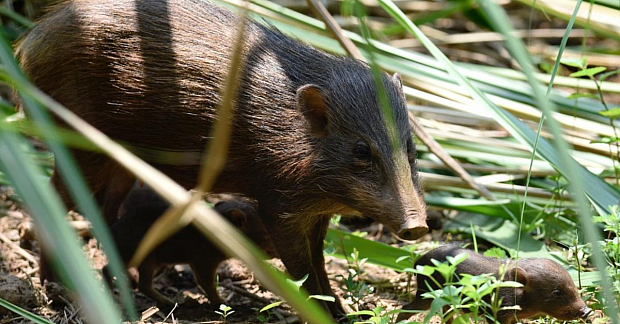
From 6 to 194: How Assam Is Bringing Back the Pygmy Hog
In 1996, conservationists removed six pygmy hogs from the tall grasslands of Assam's Manas National Park - not to study them, but to save them, believing the wild could no longer be trusted to keep them alive. This June, fifteen of their descendants were returned to those same grasslands, and the question that once haunted the project - "Can we save this species?" - has quietly shifted to "Can we help it return to more of the places it once called home?" The pygmy hog, barely visible in the grasses it depends on, has become something larger than itself: a measure of whether the fragile alluvial ecosystems of the Himalayan foothills are being protected, and a testament to what patient, collective human effort can accomplish across decades. From six animals and a decision not to give up, 194 have now been bred and released - a number that carries particular weight for a species once feared gone altogether. What the story reveals is not just a conservation milestone, but something about the kind of commitment that refuses to be discouraged by how small a beginning is.