News Story
 Inspiration
themarginalian.org · 2 hours ago
How to Handle Provocation: Bertrand Russell’s Remarkable Response to a Fascist – the Marginalian
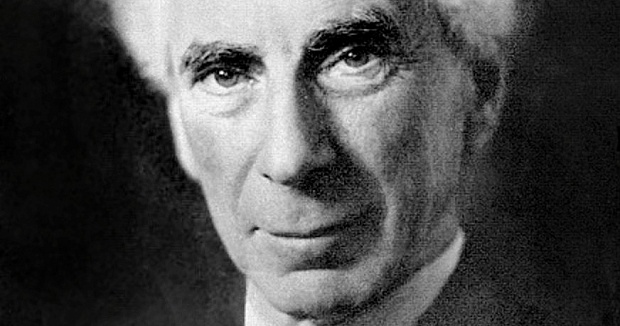
When Bertrand Russell, then nearly 90, received a letter from British fascist leader Oswald Mosley seeking a debate, he did not rage or dismiss - he responded with the quiet precision of a philosopher who had spent a lifetime thinking carefully about what goodness requires. His reply stands as a model of something rarely discussed: the moral courage to decline engagement, not out of avoidance, but out of fidelity to one's deepest values. "The emotional universes we inhabit are so distinct, and in deepest ways opposed," Russell wrote, "that nothing fruitful or sincere could ever emerge from association between us." The letter reveals that knowing when not to argue can be as principled as knowing how - that protecting one's moral clarity is not retreat but integrity. In an age that mistakes all silence for surrender, Russell's restrained, unwavering response reminds us that some convictions are honored best by refusing to put them up for negotiation.