News Story
 Environment
Reasons To Be Cheerful · 14 hours ago
Beavers Are Having a Moment
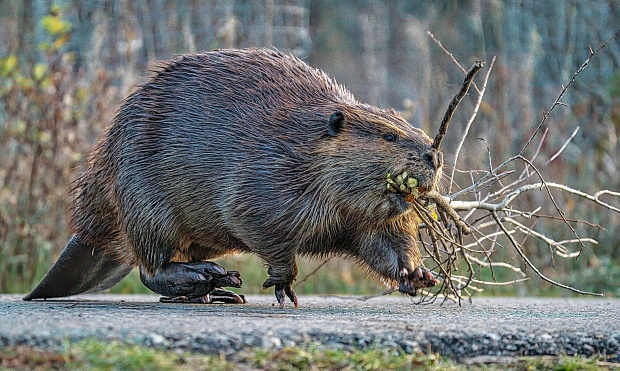
For centuries, beavers were trapped, maligned, and classified as nuisances - while the ecosystems that depended on them quietly unraveled. Now, from Oregon's drought-stricken waterways to the rewilded rivers of Great Britain, a quiet reversal is underway, as scientists, tribal leaders, landowners, and local communities are learning to work alongside nature's most industrious engineers rather than against them. "Beaver ponds and alcoves represented only about nine percent of the habitat but accounted for 66 percent of the coho salmon found in the system," researchers discovered - a finding that helped reframe a pest as a keystone. What makes this story remarkable is not just the ecological rebound, but the human one: the willingness to admit that control was never the same thing as wisdom, and to collaborate across borders and generations to restore what was lost. As wildlife biologist Maureen Thompson puts it, "Beavers are good news every day" - and in a time when such news is hard to come by, that turns out to matter more than anyone expected.