News Story
 Science
themarginalian.org · 9 hours ago
Polyvagal Theory and the Neurobiology of Connection: the Science of Rupture, Repair, and Reciprocity – the Marginalian
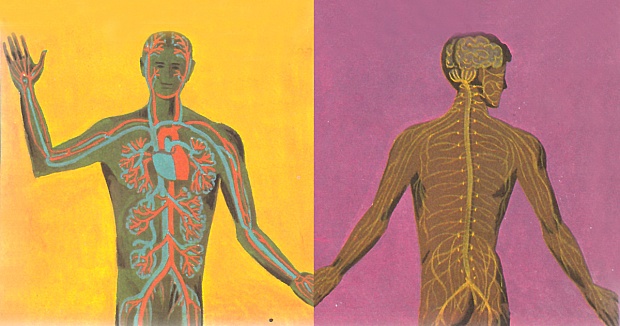
Deep within the body, a wandering nerve holds the architecture of human connection - and, for many, the residue of its earliest ruptures. Maria Popova's exploration of polyvagal theory, drawing on the work of psychiatrist Stephen Porges and clinical psychologist Deb Dana, reveals that our capacity for love and belonging is not merely emotional but physiological: shaped by neural pathways laid down long before we had words for longing. As Dana observes, "although they stopped explicitly looking and found ways to navigate on their own, their autonomic nervous system never stopped needing, and longing for, co-regulation" - a quiet reminder that the hunger for safe connection never fully surrenders, even when survival has taught it to go silent. The grounds for hope lie in the nervous system's stubborn plasticity: with the right relationships, the patterns of protection can slowly yield to patterns of connection. What this science illuminates, in the end, is something older than neuroscience - that to be human is to be wired, at the most fundamental level, for one another.