News Story
 News
News
Guardian · 4 hours ago
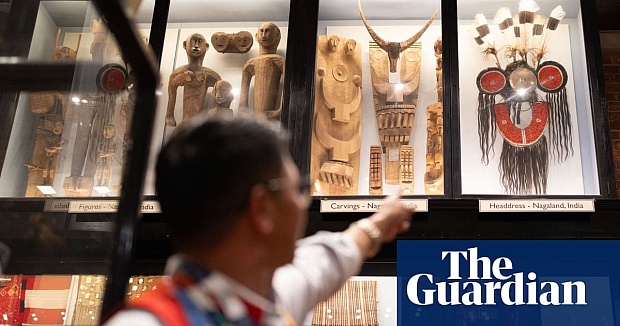
‘Our Forefathers Are Coming back’: Naga People Celebrate After Oxford Museum Agrees to Return Remains | Global Development | the...
After nearly a century, 39 pieces of human remains - skulls, a finger, a piece of skin - collected by British colonial administrators and displayed as artifacts in Oxford's Pitt Rivers Museum are finally returning to the Naga people of north-eastern India. The repatriation, the result of six years of negotiation led by an intergenerational coalition of tribal leaders, students, anthropologists, and community peace groups, carries a weight that goes far beyond the physical. "For the Nagas, the repatriation is not just about bones and ancestral remains," the community said; "it is about memory returning to where it belongs." What unfolds in this story is not simply an institutional reckoning with colonial violence, but a quiet act of collective love - communities traveling to villages, organizing meetings, assembling across generations to honor people they never met but never forgot. As Naga anthropologist Prof. Dolly Kikon reflects, "This shows that we are no longer victims of colonial violence - we embrace our roles as people who find redemption and healing by giving dignity and honour to a very violent past."