News Story
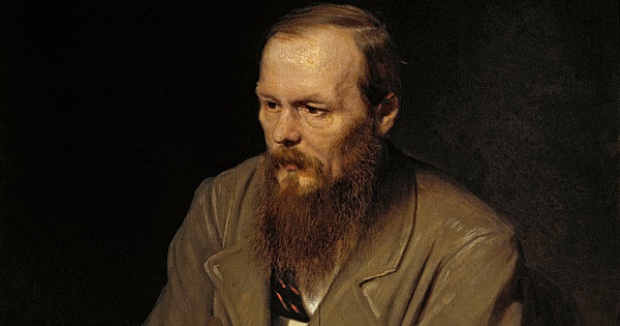 Arts
Arts
themarginalian.org · 8 hours ago
The Day Dostoyevsky Discovered the Meaning of Life in a Dream – the Marginalian
A man on the edge of suicide - revolver in his drawer, nihilism in his heart - is stopped not by reason or hope, but by a small girl in ragged clothes grabbing his arm on a dark St. Petersburg street. He shoos her away, and yet she stays with him, her image quietly dismantling his certainty that nothing matters. In Dostoyevsky's final short story, explored here by Maria Popova, what saves the protagonist is the discovery that even a man who believes he feels nothing still feels - that pity, shame, and tenderness persist like embers beneath the coldest philosophy. He falls asleep and dreams his way through death and into another world, waking with a conviction as simple as it is staggering: "The one thing is - love thy neighbor as thyself - that is the one thing. That is all, nothing else is needed." What the story reveals, finally, is that our capacity for goodness does not wait for us to believe in it - it surfaces anyway, in the pull of a child's hand, in the inexplicable ache of a conscience that refuses to go quiet.