News Story
 Community
Reasons To Be Cheerful · 11 hours ago
How Afghan Women Are Rebuilding Reproductive Health Care
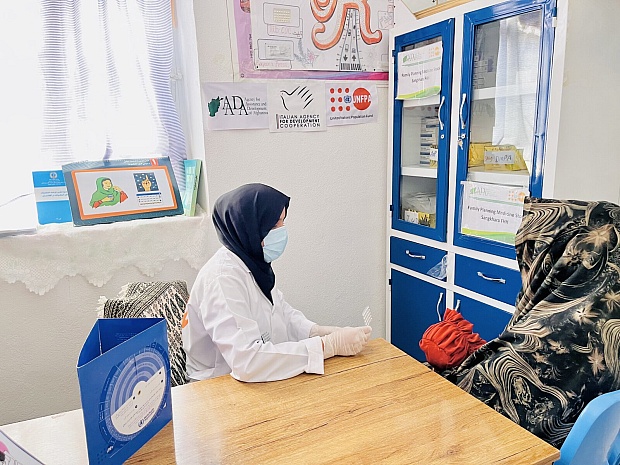
In one of the world's most dangerous places to give birth, a network of small community clinics staffed by local midwives is quietly changing what survival looks like for Afghan mothers and newborns. Built on community-owned land, often hours from the nearest hospital, these family health houses meet women where political and geographic barriers have left them most exposed - and the midwives who run them have adapted to every new obstacle, from Taliban restrictions on women's education to medicine shortages, with steady, practical resolve. When a ban on women's medical training threatened to widen the gap in care, a smartphone app began reaching midwives in the most remote provinces, guiding them through emergency deliveries and, in at least one case, persuading a family to transfer a premature baby who weighed barely over two pounds - a baby who survived. "Zero maternal deaths in my village in seven years represents the success of my work," says midwife Laila Amini, whose clinic now sees more patients in a week than it was designed to treat in a month. What this story reveals is not just a program that works, but the particular quality of attention that makes it work - women, trained in their own communities, choosing to stay.