News Story
 Environment
theconversation.com · 20 hours ago
What Wendell Berry Meant to Christian Farmers Going Green
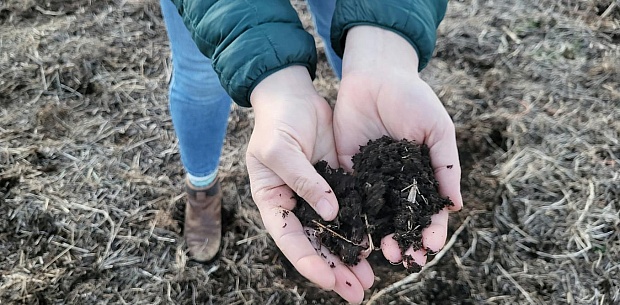
When Wendell Berry died in the late summer of 2026, a Georgia cattle rancher sent a grieving text to the researcher who had spent years documenting her quiet, costly transformation - and in that small moment, the weight of what Berry meant to people like her became undeniable. Across the rural South and Midwest, family farmers who had shifted away from conventional agriculture toward regenerative practices found themselves unexpectedly alienated not just from neighbors and peers, but from their own churches, where some were told that caring for the earth was a sin, or worse, beside the point - "It's all going to burn up." What environmental anthropologist Sydney Giacalone found in 16 months of fieldwork was that these farmers weren't choosing between their faith and the land; they were trying to honor both at once, and Berry gave them the language and the moral courage to hold that ground. "Being a Christian is not just about going to heaven when you die - that's escapism," one farmer explained, articulating what Berry's writing had unlocked in him: the possibility of healing as a present-tense act, not a deferred one. What this research quietly reveals is how much people need permission - sometimes from a single writer, a single voice - to trust what they already know to be true.