News Story
 Elders
themarginalian.org · 16 hours ago
The Measure of a Life Well Lived: Henry Miller on How to Grow Old and the Secret of Remaining Young...
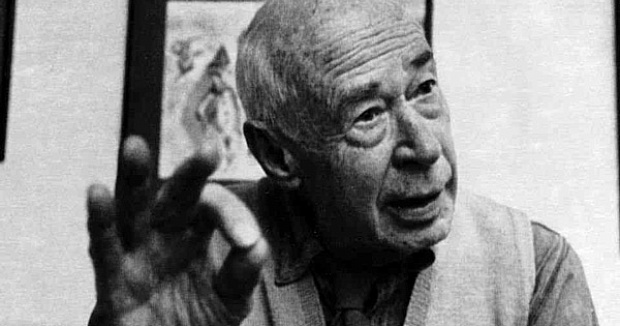
Shortly after his eightieth birthday, Henry Miller sat down to write about aging and arrived, characteristically, at something closer to a philosophy of aliveness. Maria Popova's exploration of his rare 1972 chapbook *On Turning Eighty* surfaces a man who had earned his cheerfulness the hard way - through loss, failure, and the slow shedding of illusions - and who understood that what remains after all that stripping away is what matters most. "I have lost many illusions," Miller wrote, "but fortunately not my enthusiasm, nor the joy of living, nor my unquenchable curiosity." What Popova illuminates is how Miller came to see wonder not as a temperament but as a practice, even a kind of religion - and how he located the measure of a life not in its achievements but in its capacity to stay porous to the world. His motto, "Always merry and bright," was not naivety but hard-won wisdom: the recognition that life, like the ocean, asks not to be conquered but inhabited.