News Story
 Inspiration
Waging Nonviolence · 16 hours ago
Being a Dissident Is a capacity, Not a Calling | Waging Nonviolence
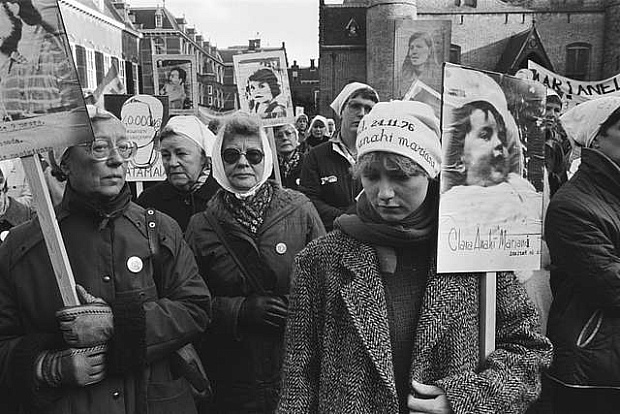
Scot Nakagawa reviews Gal Beckerman's "How to Be a Dissident" and finds in it something that quietly undoes a comfortable assumption: that people who resist power are simply built differently than the rest of us. Beckerman's research across history reveals that most dissidents spent the majority of their lives as conformists - holding jobs, keeping their heads down, making the small daily accommodations everyone makes - until a moment arrived that they couldn't look away from. The book's most arresting example is the Madres de Plaza de Mayo, Argentine mothers who, forbidden from standing still in a public square, simply walked in a slow circle week after week, wearing white headscarves sewn from their disappeared children's diapers, until the regime's central lie became impossible to sustain. As Nakagawa frames Beckerman's argument, "the dissident is an ordinary person who, at some specific and frightening moment, decided not to betray what they knew." What the book ultimately offers is not inspiration in the easy sense, but something more useful: the recognition that the moment demanding that decision is not behind us in history or above us in greatness, but standing directly ahead.