News Story
 Community
truthout.org · 9 hours ago
Massive Public Transit Win in Chicago Shows the Power of Grassroots Coalitions | Truthout
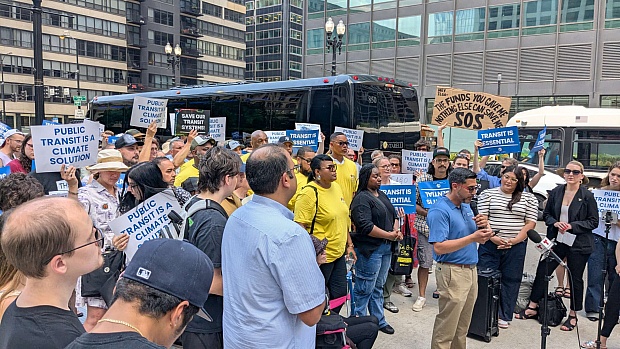
When a transit system faces 40 percent cuts and decades of racial inequity, the easiest response is resignation - but in Chicago, thousands of people chose something harder. Over four years, a sprawling coalition of environmental, labor, and community groups turned a looming fiscal cliff into the largest transit overhaul the region has seen in more than four generations, securing $1.5 billion in new annual funding and a unified agency to replace what had long functioned as a segregated, siloed system. The campaign worked not because of a single galvanizing moment, but through the patient, unglamorous work of town halls, lobby days, and listening sessions where riders shared what it actually costs to wait hours for a bus that stops at the city line. As the organizers put it, "this campaign shows that low-income communities organizing for environmental justice can win real improvements in people's lives" - a reminder that the distance between a broken system and a better one is often measured in relationships built and voices that refused to stay quiet. What Chicago did is less a story about transit than about what becomes possible when people decide that the way things are is not the way things have to be.