News Story
 Inspiration
themarginalian.org · 8 hours ago
Dostoyevsky, Just After His Death Sentence Was Repealed, on the Meaning of Life – the Marginalian
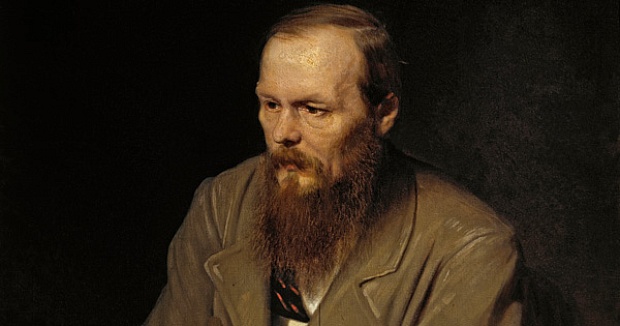
On December 22, 1849, Fyodor Dostoyevsky stood before a firing squad in Saint Petersburg, convinced he had minutes to live - only to learn, after the ritualistic theater of a staged execution, that the tsar had "pardoned" him into four years of Siberian labor. The letter he wrote to his brother Mikhail in the raw hours that followed is less a document of relief than a reckoning with what survives when everything is stripped away: "Life is everywhere, life is in us ourselves, not outside... there remain in me a heart and the same flesh and blood that can also love, and suffer, and pity, and remember, and that's life, too!" What is quietly astonishing is not the gratitude itself, but its direction - toward forgiveness, toward the people he had wronged, toward a wish to "love and embrace at least someone out of the past at this moment." Dostoyevsky's brush with death did not make him bitter or self-pitying; it made him more human, more insistent on the goodness latent in ordinary life. The letter stands as one of literature's most unguarded testimonies to a truth that hardship sometimes teaches and comfort rarely does: that life, in its plainest form, is already the gift.