News Story
 Community
Guardian · 6 hours ago
How a Village in Uttar Pradesh Revived India’s Lost Art of Public Debate | Global Development | the Guardian
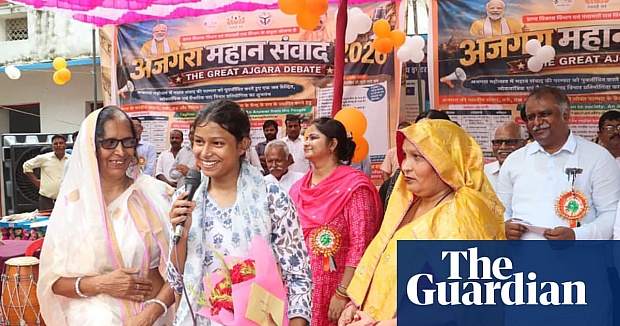
In a village in Uttar Pradesh, on the same ground where the Mahabharata's Yudhishthira once debated to save his brothers' lives, a 35-year-old district magistrate named Abhishek Pandey quietly staged something rare: a space where people listened. What began as 1,500 local debates across a district - open to a 10-year-old schoolboy and an 80-year-old farmer alike - culminated in a six-hour finale where finalists wrestled with questions of women's rights and moral authority before a crowd that, as Pandey marveled, sat for hours without interrupting, without getting personal. "What amazed me the most was not the intellectual quality of the debates," he said, "but the atmosphere." The tournament's winner, Prajjwal Shukla, said he had entered simply because he wanted to hear other people's thoughts - and that instinct, it turns out, may be the oldest democratic impulse there is. At a moment when public discourse so often rewards the loudest voice, this village in rural India suggested that the hunger for genuine exchange had never really left; it was only waiting to be invited back.