News Story
 Environment
The Optimist Daily · 2 hours ago
How Reefvive Is Rebuilding Coral Reefs From Discarded Oyster Shells | the Optimist Daily
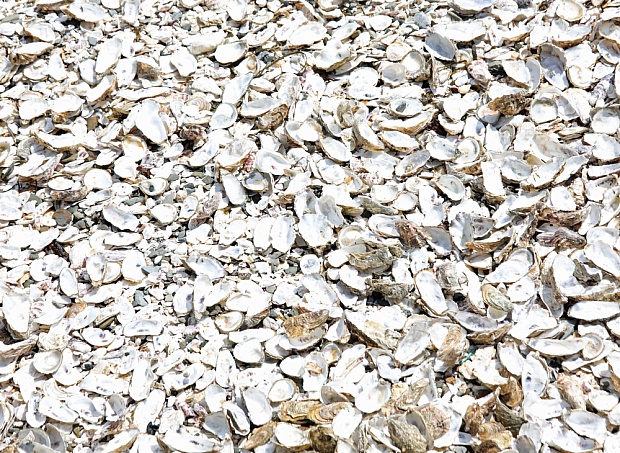
A group of university students in Taiwan looked at two problems - oyster shells piling up at aquaculture sites and coral gravel going to waste at restoration sites - and asked whether the answer to one might be found in the other. The result is Reefvive, a 3D-printed artificial reef module made entirely from those discarded materials, its ridged surface modeled on the intricate geometry of brain coral to give young fragments something to hold onto. In open-water trials, all 28 coral fragments attached to the structures survived, and fish, hermit crabs, algae, and octopuses had already moved in by the time testing ended - a result the team described as proof that "the material works." What the project quietly demonstrates is that restoration need not always mean importing new resources into a broken system; sometimes the broken system already contains what it needs to begin again.