News Story
 Inspiration
themarginalian.org · 4 hours ago
A Stoic’s Key to Peace of Mind: Seneca on the Antidote to Anxiety – the Marginalian
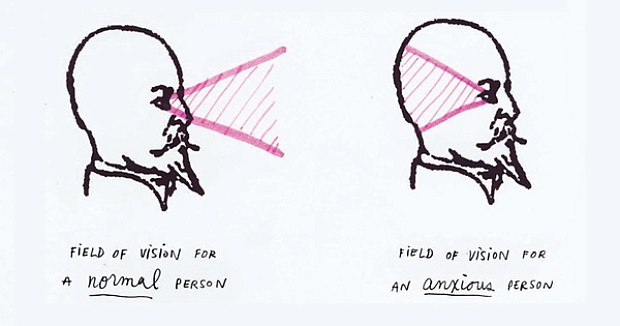
Two thousand years before the modern anxiety industry existed, the Roman philosopher Seneca was already naming what quietly exhausts so many people: not the catastrophes that arrive, but the ones that never do. Maria Popova's exploration of Seneca's thirteenth letter surfaces his deceptively simple diagnosis - "we suffer more often in imagination than in reality" - and his counsel that the antidote is not optimism exactly, but a kind of disciplined refusal to pre-live disaster. What strikes most is how little the human mind has changed, and how much steadiness becomes available the moment one notices that most of what we dread "sink into nothing." Seneca's sharpest warning is reserved not for fear itself but for its quieter consequence: that a life spent bracing for imagined catastrophe is, in the end, a life spent only getting ready to live.